
In the world of technology, downtime is the enemy. Imagine your favorite streaming service crashing right when the plot twist hits. A well-designed failover system swoops in like a superhero, ensuring that operations continue seamlessly even when disaster strikes. It’s like having a backup plan for your backup plan—because who doesn’t love a good safety net?
Failover system design isn’t just for tech wizards. It’s crucial for any business that values reliability and customer satisfaction. With the right strategies in place, organizations can dodge those dreaded outages and keep the digital wheels turning. So, let’s dive into the art of failover design, where redundancy meets reliability, and every hiccup is just a minor bump in the road.
Overview of Failover System Design
Failover system design focuses on ensuring continuous service availability during hardware or software failures. These systems automatically switch to a backup component, minimizing disruptions for users. Redundancy plays a crucial role, as organizations create multiple layers of failed-over components to maintain operability.
Organizations often implement active-passive and active-active configurations. Active-passive setups have one primary system while a secondary system remains on standby. Active-active configurations, however, allow multiple systems to operate simultaneously, distributing workloads and increasing reliability.
Monitoring functionalities stand critical in failover systems. These systems continuously assess performance and status, triggering automatic failover processes when issues arise. Successful monitoring entails integrating advanced analytics tools to detect anomalies promptly.
Data consistency remains essential in failover scenarios. Techniques like data replication and syncing ensure that backup systems possess current and accurate data. Implementing these methods guarantees minimal data loss during a transition.
Testing the failover process proves necessary to validate reliability. Organizations conduct regular drills to simulate failure situations, assessing both systems’ responses. These tests help identify potential weaknesses and allow for timely adjustments.
Cost considerations also influence failover system design. Budget constraints often guide decisions about redundancy, maintenance, and recovery approaches. Organizations aim to balance investment in robust systems with the necessity for cost-effective solutions.
Ultimately, effective failover system design emphasizes reliability, seamless transitions, and strategic planning. Prioritizing these elements positions organizations to manage failures efficiently while maintaining customer satisfaction.
Key Components of Failover Systems
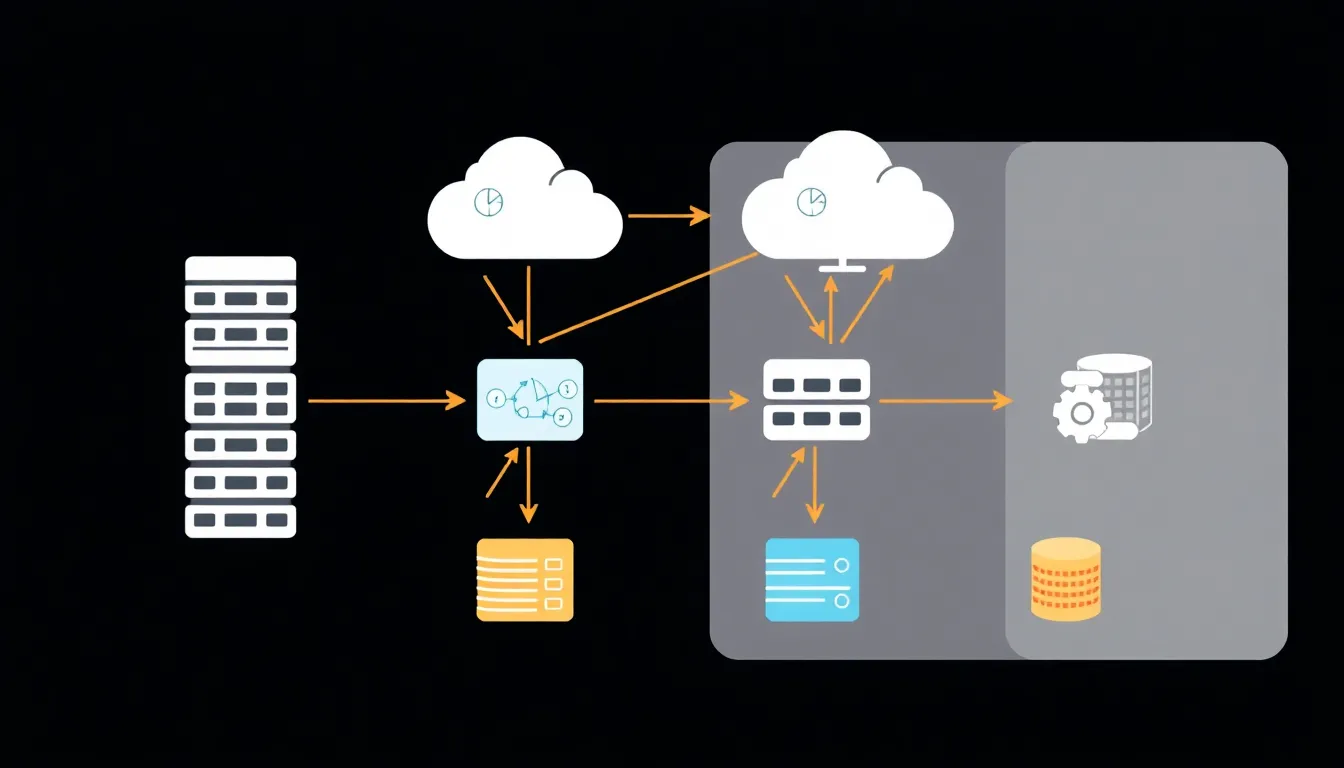
Failover systems rely on several key components to ensure uninterrupted service. Understanding these elements helps organizations create effective strategies for maintaining operational continuity.
Redundancy
Redundancy serves as a foundational element in failover systems. By duplicating critical components, such as servers or network paths, organizations ensure availability during failures. Active-active and active-passive configurations enhance reliability and response times. Active-active setups distribute workloads across multiple systems, resulting in improved performance even during outages. On the other hand, active-passive configurations utilize one system as a backup, ready to activate when primary systems fail. Regularly testing redundancy within the infrastructure identifies potential vulnerabilities. Implementing these redundancy strategies safeguards against unforeseen disruptions, maintaining essential services for users.
Load Balancing
Load balancing optimizes resource utilization within failover systems. Balancers distribute incoming traffic across multiple servers, preventing any single server from becoming overwhelmed. This distribution enhances performance, especially during peak usage times. By directing traffic efficiently, organizations maintain consistent response times and user experience. Additionally, load balancers contribute to system reliability by rerouting traffic away from malfunctioning servers. Implementing health checks ensures that only operational servers receive requests. These techniques not only minimize downtime but also provide opportunities for scaling services as demands increase. Overall, effective load balancing plays a critical role in the seamless functioning of failover systems.
Types of Failover System Designs
Understanding the different types of failover system designs helps organizations select the right strategy for their needs. Two primary configurations stand out: active-passive and active-active.
Active-Passive Failover
Active-passive failover configurations utilize one primary system that handles all the workloads and a backup system that remains idle until needed. The backup system becomes operational only when the primary fails, ensuring minimal resource waste. This setup is straightforward to implement and offers a clear separation of roles. Organizations benefit from reduced complexity while maintaining reliable service continuity. Regular health checks verify operability, ensuring the backup system is ready for swift activation. Effective monitoring tools also play a crucial role, quickly identifying issues in the primary system.
Active-Active Failover
Active-active failover designs leverage multiple systems that operate simultaneously to manage workloads. In this configuration, all systems actively share the processing demands, which enhances performance and reliability. When one system fails, others immediately take over, minimizing downtime and disruptions. Load balancers distribute traffic evenly among active systems, optimizing resource use. Continuous health monitoring ensures that all operational systems perform optimally, allowing organizations to scale up during peak demands. This approach not only maintains high availability but also offers efficient resource utilization across all functioning servers.
Best Practices for Designing Failover Systems
Designing effective failover systems involves structured planning and diligent execution. Implementing best practices ensures reliability and performance during unexpected downtimes.
Testing and Validation
Regular testing plays a crucial role in validating failover systems. Organizations must simulate various failure scenarios to evaluate response times and system reliability. Identifying weak points beforehand enhances the robustness of the system. Validation processes should include both manual and automated tests to cover all potential failure modes. Regularly scheduled tests keep teams prepared for real-world incidents. It’s also important to document each test and its outcomes for continuous improvement. Moreover, updating testing protocols ensures adaptability to changing technology environments.
Monitoring and Maintenance
Continuous monitoring is essential for proactive failover management. Organizations should implement real-time performance assessments to detect anomalies quickly. Health checks on all components ensure operational readiness, allowing for immediate action when needed. Maintenance routines must include software updates and security patches to prevent vulnerabilities. Consistent log reviews provide insights into system performance and user interactions. Developing alerts for critical events allows timely response, reducing downtime risks. Regular maintenance schedules also prolong the lifespan of the systems while optimizing functionality.
Failover system design is essential for any organization aiming to maintain operational continuity. By implementing effective redundancy and load balancing strategies, businesses can significantly reduce the impact of unexpected downtimes. Regular testing and proactive monitoring ensure these systems are always ready to respond to failures, safeguarding user experience and trust.
Investing in robust failover solutions not only enhances reliability but also supports scalability during peak demands. As organizations navigate an increasingly complex technological landscape, prioritizing failover system design will be crucial for long-term success and customer satisfaction. With the right strategies in place, businesses can confidently face challenges while ensuring uninterrupted service delivery.